What tyre pressure should my car have in the UAE?
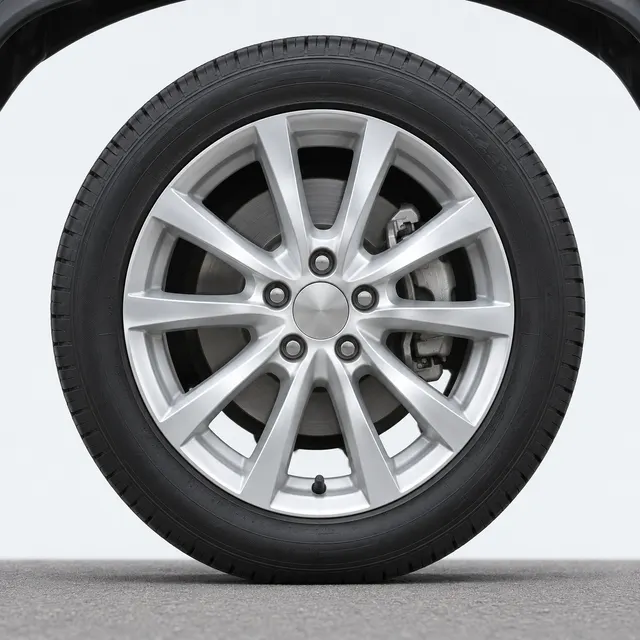
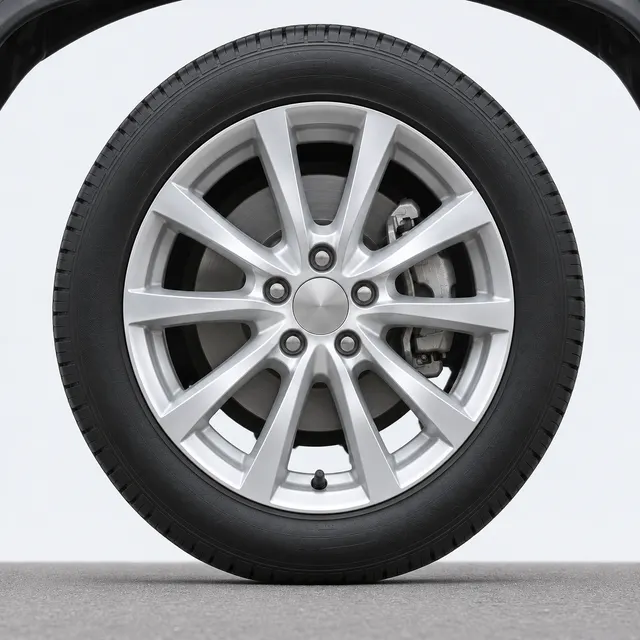
Use the figure on the sticker inside the driver's door frame (sometimes the fuel flap or glovebox). It is set by the car maker for the car's weight and the original tyre size. The number moulded on the tyre sidewall is the maximum the tyre can hold, not the pressure you should run.
| Vehicle | Typical cold pressure | Fully loaded / long trip | Example models |
|---|---|---|---|
| Small hatch / sedan | 30–33 psi | 33–36 psi | Nissan Sunny, Hyundai Accent, Toyota Yaris |
| Mid-size sedan | 32–35 psi | 35–38 psi | Toyota Camry, Nissan Altima, Honda Accord |
| Luxury sedan | 33–38 psi | 36–42 psi | Mercedes E-Class, BMW 5 Series, Lexus ES |
| Mid-size SUV | 33–36 psi | 36–40 psi | Toyota RAV4, Nissan X-Trail, Kia Sportage |
| Large SUV / 4x4 | 32–38 psi | 36–44 psi | Nissan Patrol, Land Cruiser, GMC Yukon |
| Pickup / van | 35–45 psi (rear higher) | up to 50+ psi rear | Toyota Hilux, Hiace, Ford Ranger |
| EV | 36–42 psi | 40–45 psi | Tesla Model 3/Y, BYD Atto 3 |
Why pressure rises in summer, and why you must not let air out
Air expands as it heats. A tyre set to 33 psi at 7 am in July can read 37 or 38 psi after an hour on Sheikh Zayed Road, because the road surface is above 60°C and the tyre itself warms up as it flexes. That rise is built into the tyre's design. If you let air out to "correct" it, the tyre will be several psi under-inflated once it cools, and an under-inflated tyre at 120 km/h is exactly how summer blowouts start.
Releasing air at a petrol station at midday because the gauge shows a high number. Always check and adjust pressure cold: first thing in the morning, or after the car has stood in shade for at least three hours.
How to check tyre pressure properly
- Check when the tyres are cold, ideally before your morning drive.
- Find the placard pressure on the driver's door frame. Note front and rear can differ.
- Remove the valve cap and press a digital gauge firmly onto the valve until the hiss stops.
- Add air in short bursts and re-measure. Station gauges are often off by 2–3 psi, so a cheap personal gauge pays for itself.
- Do not forget the spare. A flat spare is the reason many of our spare tyre change jobs turn into a new tyre.
- Refit the valve caps; they keep sand out of the valve core.
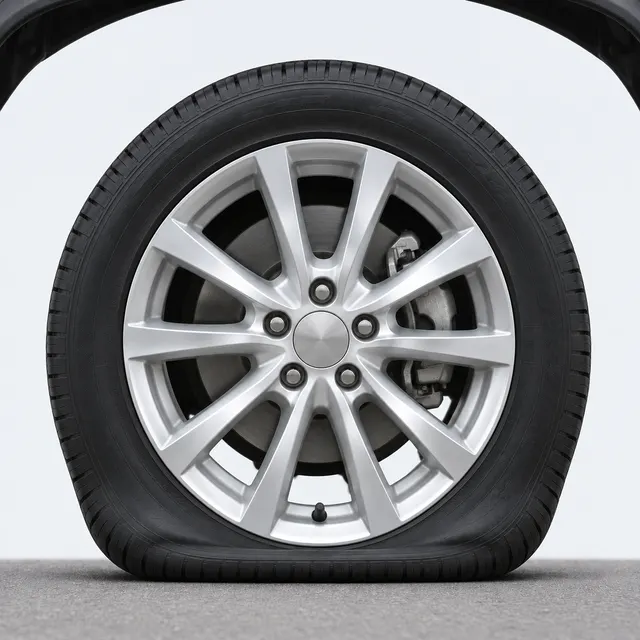
What under- and over-inflation do to a tyre
| Under-inflated | Over-inflated | |
|---|---|---|
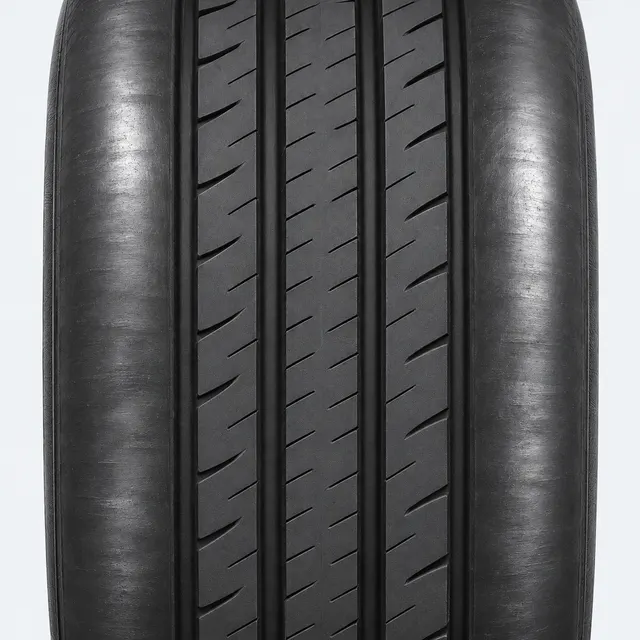
| Wear pattern | Both outer edges wear fast | Centre strip wears fast |
| Heat | Sidewall flexes and overheats | Runs cooler but harsher |
| Grip and braking | Vague steering, longer braking | Smaller contact patch, less wet grip |
| Fuel use | Up | Slightly down |
| Damage risk | Blowout, tread separation, rim damage on potholes | Impact bruises and bulges from speed bumps |
Use the tyre damage diagnosis to match a wear pattern you can already see to its cause.
Tyre pressure for desert driving
For soft sand most 4x4s drop to 15–20 psi, which lengthens the footprint and lets the tyre float. Go lower only with beadlock wheels and experience. The important part is the return: reinflate to road pressure before you get back on the highway. Driving at 100 km/h on 18 psi destroys sidewalls within kilometres. Our desert tyre pressure guide covers it in detail, and all-terrain tyres cope with the drop far better than road tyres.
TPMS, nitrogen and slow leaks
A tyre pressure monitoring system warns when a tyre is around 20–25% below target. That is already low, so treat the light as a prompt to check, not a gauge. A light that comes back every few days usually means a slow puncture or a leaking valve: book a puncture repair or valve replacement. Nitrogen inflation leaks a little more slowly and is less affected by heat, but it is no substitute for checking.
Half the blowouts I attend in summer are on tyres that were 8 to 10 psi low for weeks. The driver never felt it. Check every two weeks, cold, and you avoid most of what I see on the hard shoulder.